


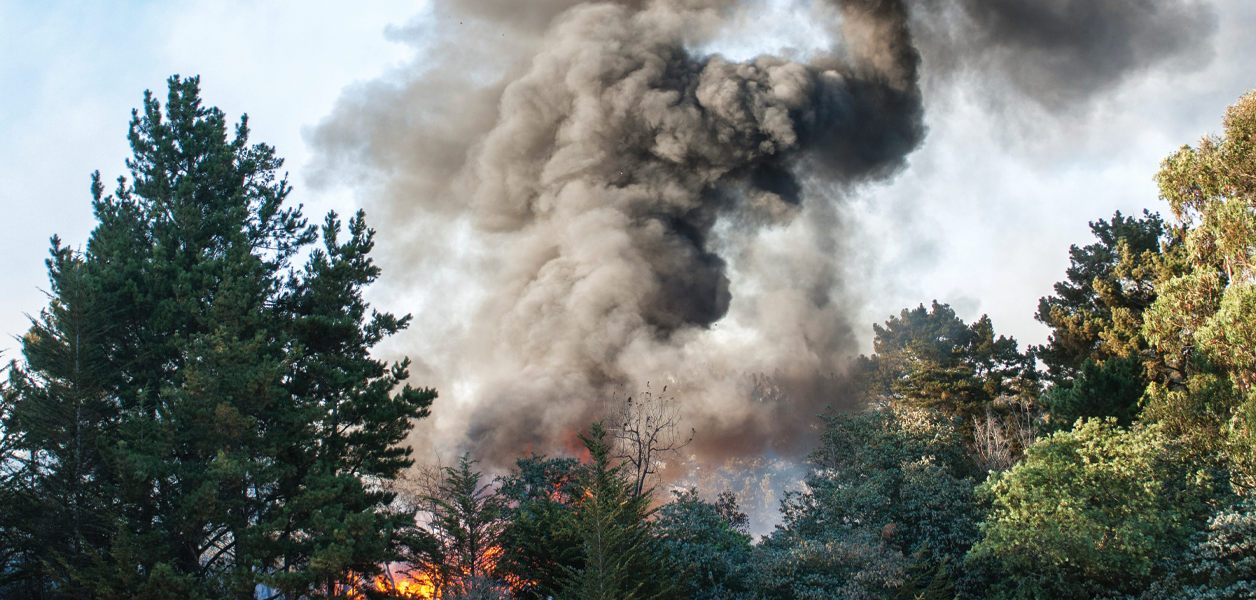
The National Institute for Occupational Safety and Health recently released a resource, Wildland Fire Smoke, which warns workers “may be exposed to varying types and amounts of compounds in wildland fire smoke,” according to Safety+Health magazine.
NIOSH encourages employers to be aware of adverse health effects understood or suspected to be caused by exposure to wildfire smoke, such as eye irritation, sore throat, wheezing and coughing; asthma and chronic obstructive pulmonary disease exacerbations; bronchitis and pneumonia; adverse birth outcomes; and heart and blood vessel outcomes.
For outdoor workers, NIOSH offers the following strategies to reduce exposure.
- Frequently monitor local air quality and fire conditions through the Environmental Protection Agency or state health department websites.
- Relocate or reschedule work to smoke-free or less smoky areas or times of day.
- Reduce levels of physical activity when possible, especially strenuous and heavy work.
- Take frequent breaks in smoke-free areas.
- If possible, move work tasks indoors or to areas with limited exposure.
NIOSH’s resource also offers guidance regarding respirators, encouraging workers to take frequent breaks and stay hydrated when using respirators. NIOSH warns filtering facepiece respirators will not protect against gases such as carbon monoxide, and people with facial hair that interferes with the face seal should not use tight-fitting respirators.